

 Dried fruit, berries and vegetables
 Dried berries
 Dried fruits
 Dried mushrooms and powders
 Dried vegetables
 Seaweed
 Grains and legumes
 Groats
 Legumes
 Nut and seed cream
 Nuts and seeds
 Nuts
Nuts
 Seeds
Seeds
 Plant-based superfood
 Capsules
 Drink
Drink
 Pills
Pills
 Powder
 Tea, coffee, cocoa
 Cocoa
Cocoa
 Coffee
 Tea
Tea
 Matcha
 Drinks
 Flour
Flour
 Mixes / preparations
 Nutritional yeast
 Pasta
Pasta
 Spices
 Canned food
 Canned vegetables
 Jams and marmalades
 For food preparation
 Oil, vinegar and sauces
 Oil
Oil
 Vinegar
 Sauces
 Snacks
 Sweets
 Bread, crispbreads, crackers
 Cereals, breakfast cereals, porridges
 Fruits and vegetables
 Italian cuisine
 Japanese cuisine
 Without Gluten
 Oral hygiene
 Hair care
 Facial care
 Essential oils
 Body care
 Containers, thermoses
 Household appliances
 Household cleaning products
 Kitchen utensils
 Children / baby food
 Children / baby body care


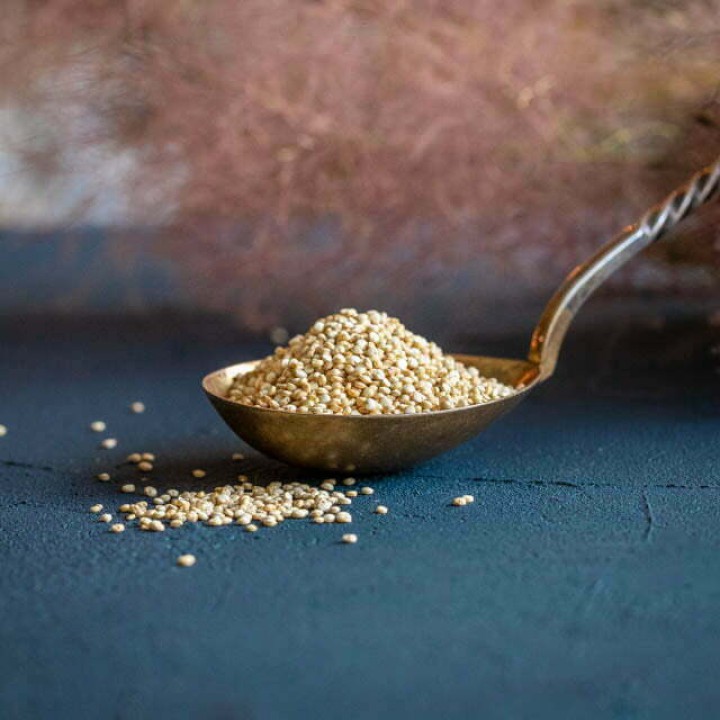
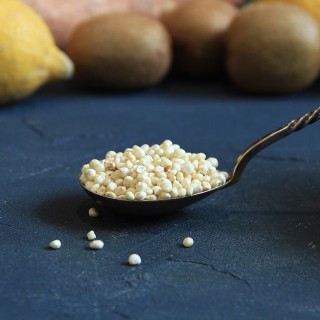
Organic Quinoa


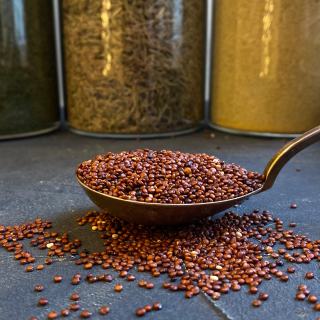
Organic quinoa
Quinoa (Chenopodium quinoa) is a hardy plant native to the Andean highlands of South America, such as Peru, Bolivia and Ecuador. Called the "mother grain" by the Incas, kynva has been cultivated for more than 5000 years. Today, it is regarded worldwide as a "superfood".
Traditional use of the Quinoa
The Quinoa has been a vital food source, providing essential nutrients and energy to those living in the mountains. Because of its high protein content and adaptability, it was often considered superior to other grains.
Quinoa had spiritual significance and was used by indigenous groups in a variety of religious ceremonies.
Quinoa has sometimes been used in traditional medicine for treating ailments such as upset stomachs and skin diseases.
Recently, quinoa has become popular all over the world.
Gluten-free alternative - it is naturally gluten-free, making it a safe choice for people with coeliac disease or gluten sensitivity.
Digestibility - guinoa is considered to be easier to digest, making it an excellent choice for those with a sensitive digestive system.
Attention
Saponins - quinoa seeds naturally contain bitter-tasting saponins, which can be removed by rinsing before cooking.
Oxalates - quinoa contains oxalates, which, if consumed frequently, can contribute to the formation of kidney stones in particularly sensitive individuals.
Quinoa recipes
Quinoa salad: mix cooled, cooked quinoa groats or flakes with cooked or canned beans, pumpkin seeds, onion leaves and coriander. Sprinkle the salad with your favourite spices and herbs.
Breakfast porridge: cooked quinoa or swollen flakes, seasoned with nuts and dried fruit and served for breakfast.3
Soups with quinoa: use quinoa in your favourite vegetable or grain soups.
Sources
www.healthline.com
www.medicalnewstoday.com
Similar products